
Ghana, a West Africa country is neighboured by Cote D’Ivoire to the West, Burkina Faso to the North, Togo to the East and the Gulf of Guinea to the south.
The sea, a resource to the country, has unique features and has evolved over the years.
When asked to name some of Ghana’s natural resources, you are most likely to mention gold, bauxite, and others. While these answers are correct, the list is often non-exhaustive, and we are most likely to forget one critical resource: the sea.
One of Ghana’s biggest blessings is its ocean. Without any doubt, it has played an integral role in our culture, history, and, most importantly, our food systems.
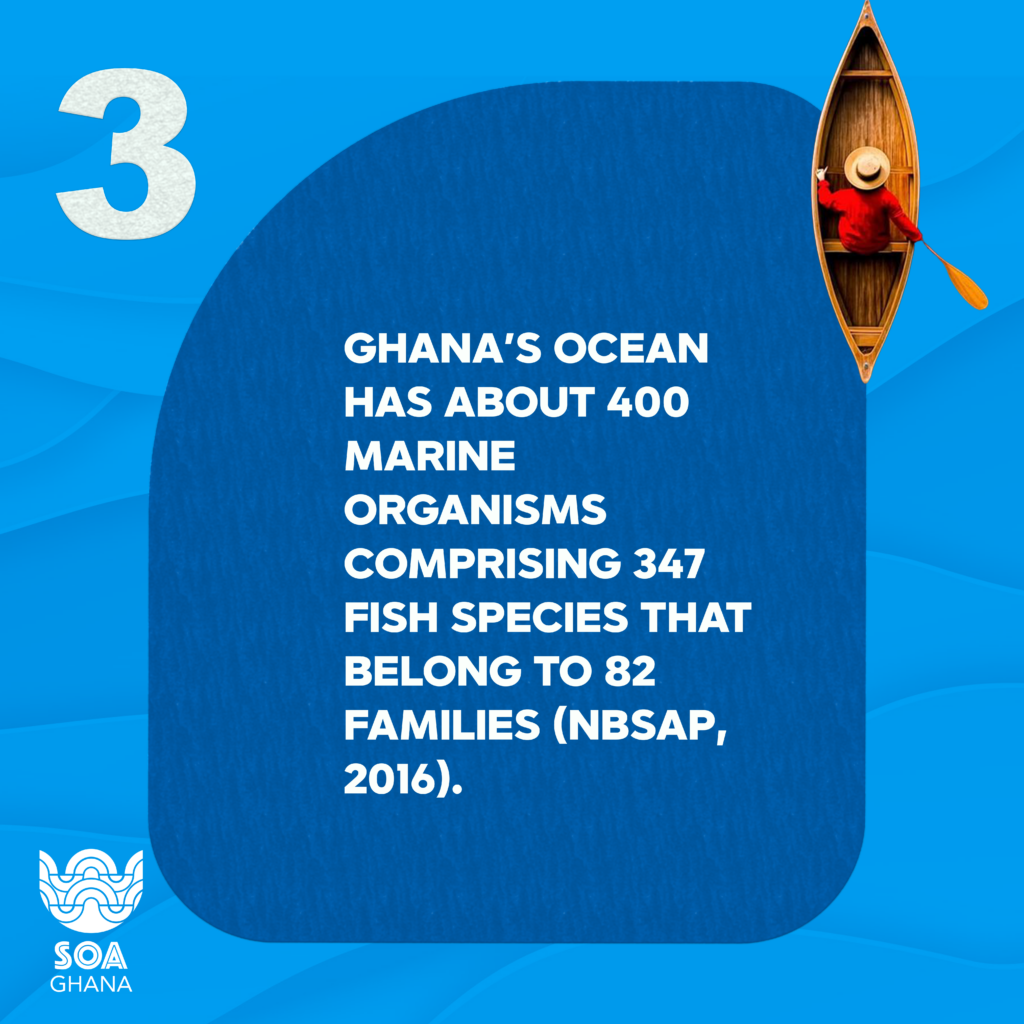
From the wide varieties of fish and seafood we enjoy, the ocean has long sustained livelihoods and nourished generations.
Historically, the oceans served as the pathway to what later became the Gold Coast and subsequently Ghana.
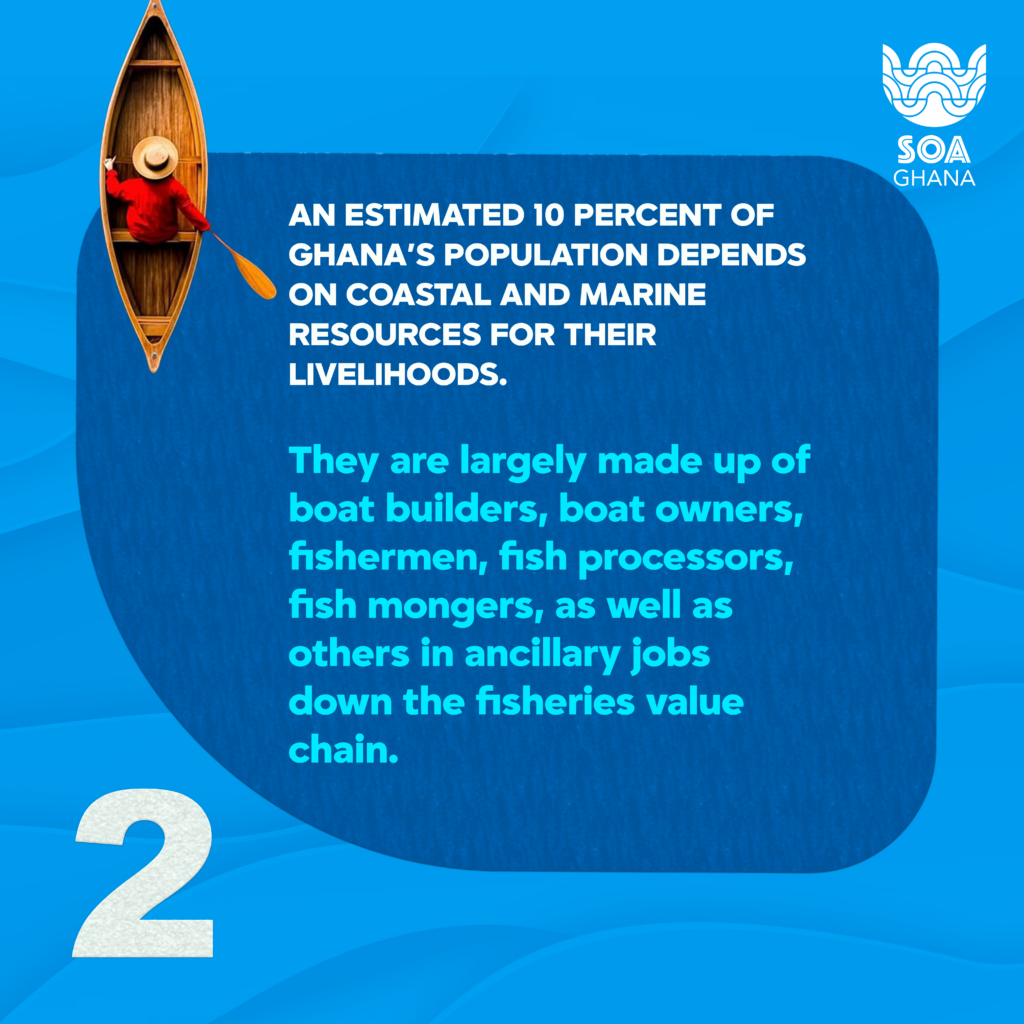
For centuries, coastal communities have depended on the sea for survival, trade, and identity, and in many ways, they have fed the nation. The ocean, in itself, is a powerful industry that creates a vibrant local economy, supporting fishermen, traders, processors, transporters, and countless auxiliary services.
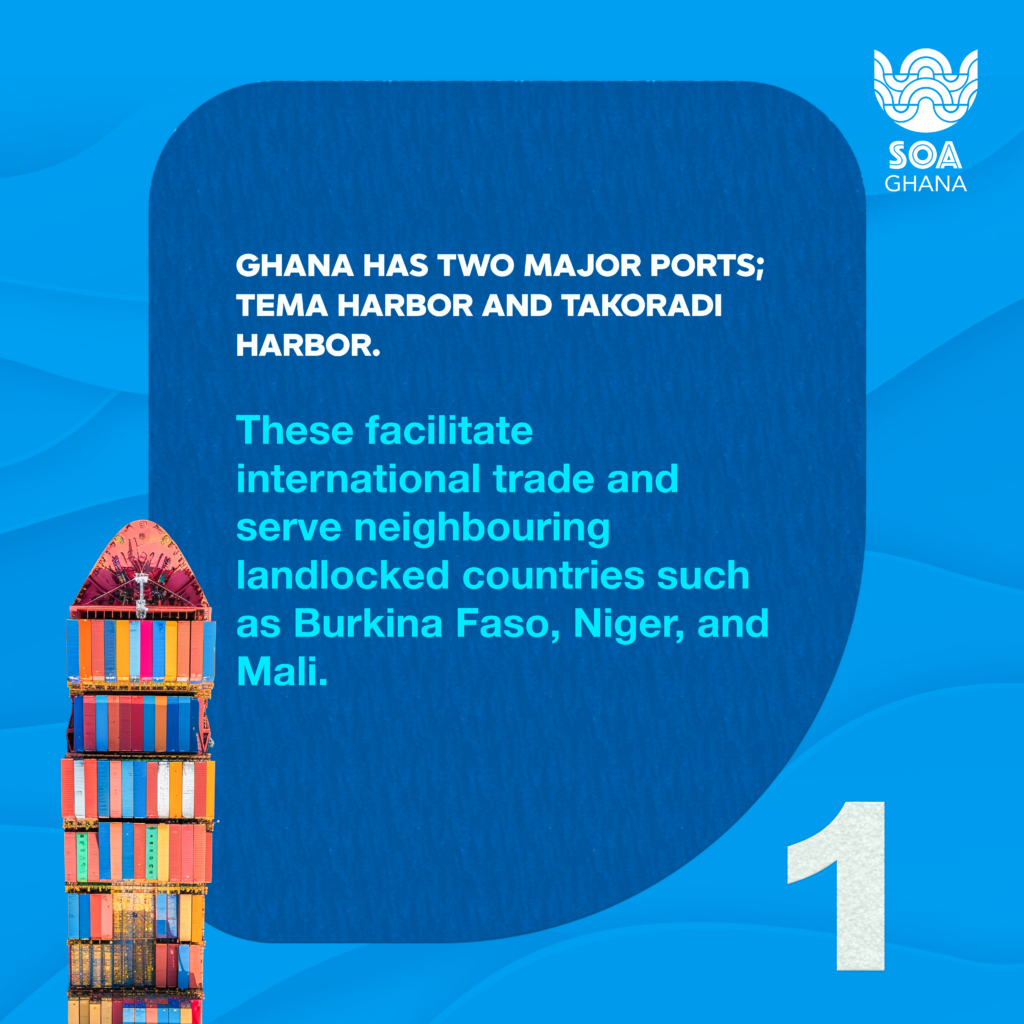
At its two major ports in the ‘T-Cities’; Takoradi in the Western Region and Tema in the Greater Accra Region, Ghana makes billions of cedis year in, year out.
These revenues go a long way in supporting the national economy and continue to position the country as a major freighting destination, especially for landlocked neighbours such as Burkina Faso, Niger, and Mali. Through maritime trade, Ghana remains a critical gateway to the sub-region.
The sea is indeed a treasure chest of many goodies that continues to support our wellbeing. It is a resource we need to hold close to our chest and protect diligently for future generations.
Ghana’s ocean also sits in a very important part of the wider global ocean community, contributing to regional trade, biodiversity, and climate systems.
Writer: Samuel Swanzy Baffoe
