Categories
Climate Change Home News Ocean Conservation

5 Facts About Ghana’s Ocean

Ghana, a West Africa country is neighboured by Cote D’Ivoire to the West, Burkina Faso to the North, Togo to the East and the Gulf of Guinea to the south.

The sea, a resource to the country, has unique features and has evolved over the years.

When asked to name some of Ghana’s natural resources, you are most likely to mention gold, bauxite, and others. While these answers are correct, the list is often non-exhaustive, and we are most likely to forget one critical resource: the sea.

One of Ghana’s biggest blessings is its ocean. Without any doubt, it has played an integral role in our culture, history, and, most importantly, our food systems.

From the wide varieties of fish and seafood we enjoy, the ocean has long sustained livelihoods and nourished generations.

Historically, the oceans served as the pathway to what later became the Gold Coast and subsequently Ghana.

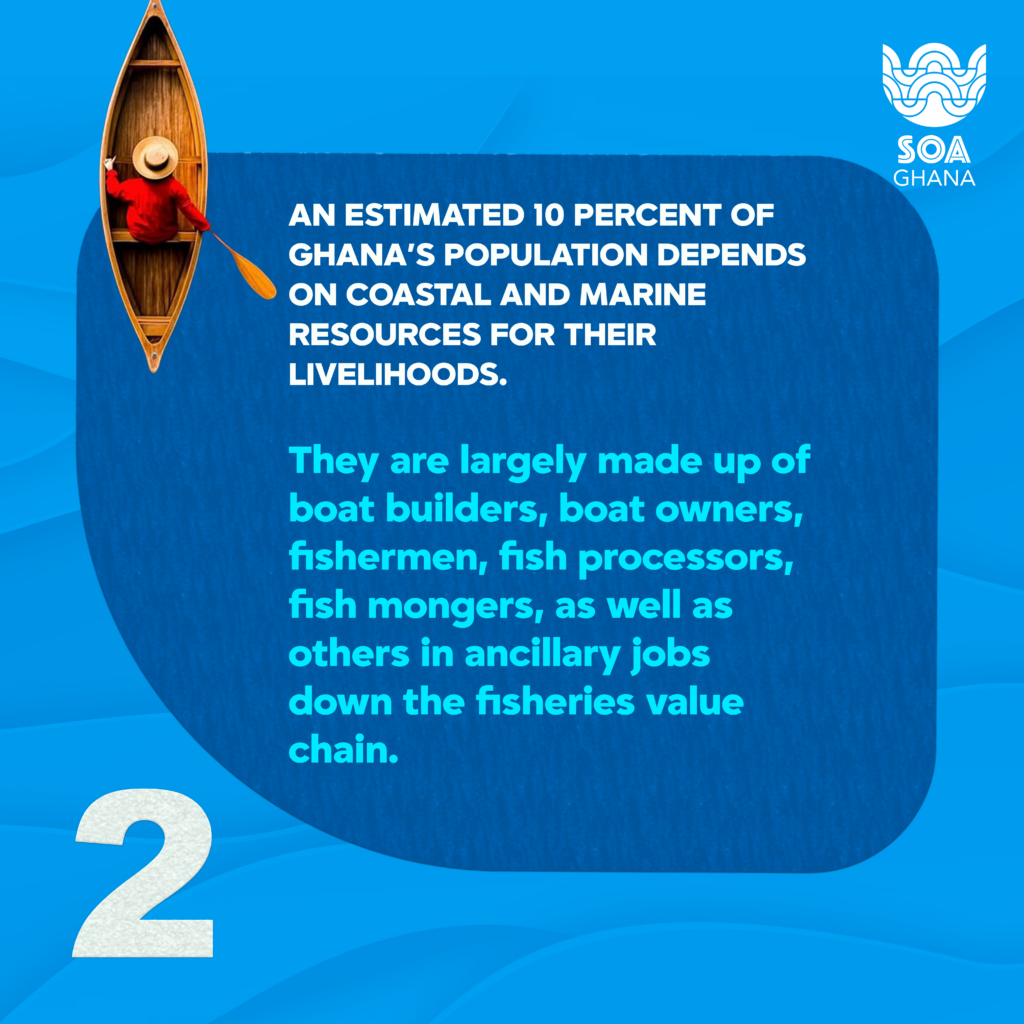
For centuries, coastal communities have depended on the sea for survival, trade, and identity, and in many ways, they have fed the nation. The ocean, in itself, is a powerful industry that creates a vibrant local economy, supporting fishermen, traders, processors, transporters, and countless auxiliary services.

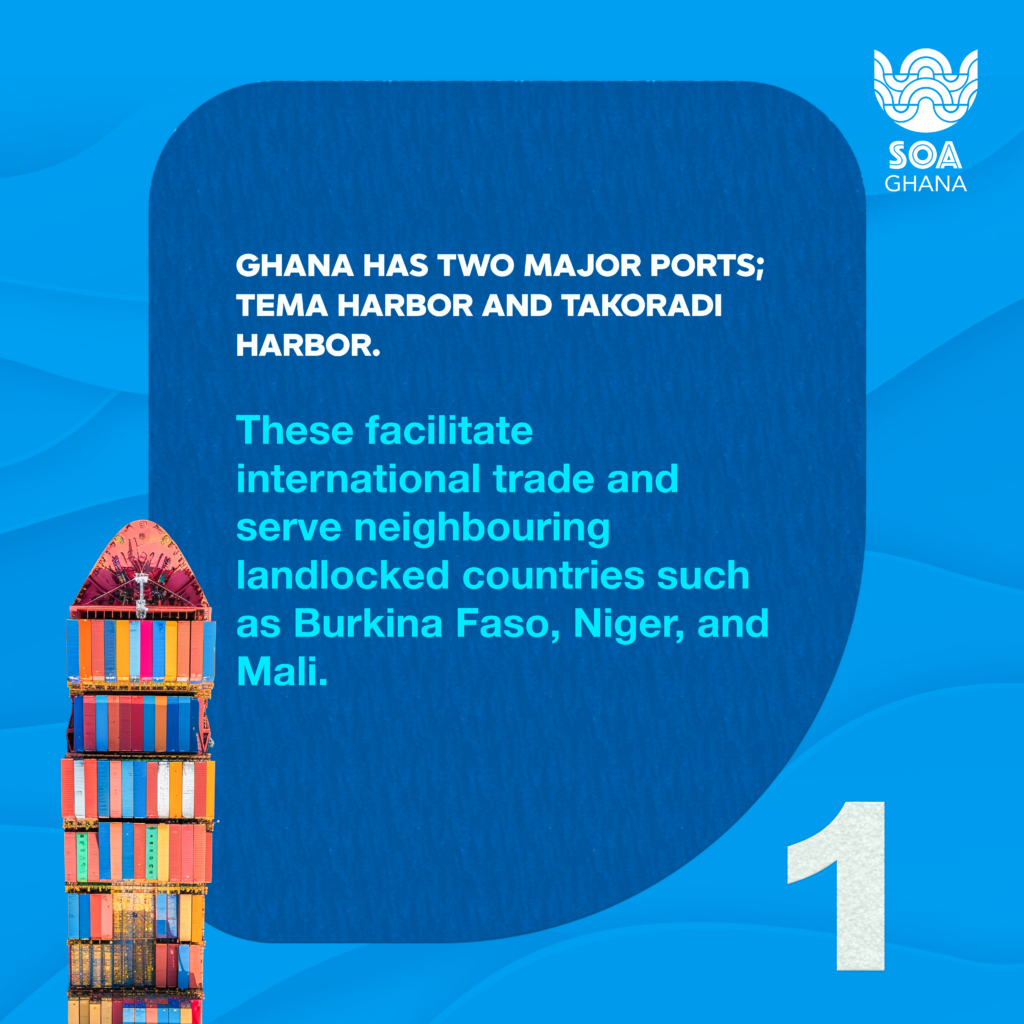
At its two major ports in the ‘T-Cities’; Takoradi in the Western Region and Tema in the Greater Accra Region, Ghana makes billions of cedis year in, year out.

These revenues go a long way in supporting the national economy and continue to position the country as a major freighting destination, especially for landlocked neighbours such as Burkina Faso, Niger, and Mali. Through maritime trade, Ghana remains a critical gateway to the sub-region.

The sea is indeed a treasure chest of many goodies that continues to support our wellbeing. It is a resource we need to hold close to our chest and protect diligently for future generations. 

Ghana’s ocean also sits in a very important part of the wider global ocean community, contributing to regional trade, biodiversity, and climate systems.

Writer: Samuel Swanzy Baffoe

Categories
Climate & Ocean Action Home News Ocean Conservation

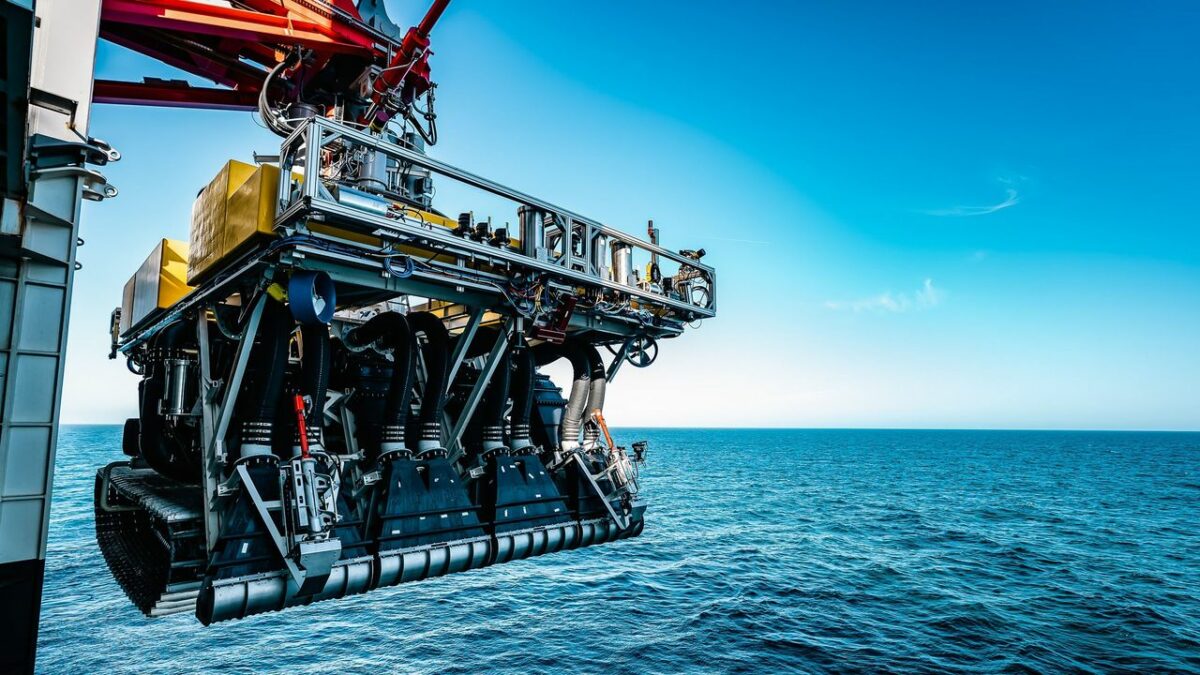
Deep-Sea Mining: A Financial gamble Africa cannot afford


In Accra’s bustling Makola Market, the daily chatter reflects the struggles and hopes of Ghana’s coastal communities. Fishermen like Kojo Mensah, who has been navigating the Atlantic waves for decades, voice growing concerns over the future of their livelihoods. “If the fish disappear because of some mining we don’t even understand, what will my children eat? What will they do?” he asks, his weathered hands gesturing towards the ocean.

Kojo’s fears are echoed across Africa as the debate around deep-sea mining (DSM) intensifies. Proponents tout its potential to boost economies by extracting valuable minerals from the ocean floor. Yet, for many African nations, the financial promises of DSM appear eerily similar to the unfulfilled dreams of terrestrial mining, which has left a trail of environmental destruction and economic inequities.


Learning from the Past

Africa’s history with terrestrial mining is a cautionary tale. In the Democratic Republic of Congo (DRC) and Zambia—Africa’s largest copper producers—mismanagement, corruption, and pollution have cost nations billions. The DRC alone has lost an estimated $3.7 billion due to malpractice in the mining sector. Far from being a pathway to prosperity, mining has often enriched foreign corporations while devastating local ecosystems and communities.

DSM threatens to replicate these patterns on a massive scale. The Democratic Republic of Congo, Zambia, Namibia, and Zimbabwe are among the African nations most likely to feel the economic ripple effects of DSM. A 2020 study commissioned by the International Seabed Authority (ISA) revealed that DSM could disrupt the global supply chain, undermining the export-dependent economies of these nations.

“Countries like Zambia and the DRC could lose up to 79% of their export income if DSM causes a global glut in minerals like copper and cobalt,” warns Professor Mensah Anani, an economist specializing in resource governance. These losses would not only erode GDP but also threaten jobs and public services that are already stretched thin.


The Cost of False Promises

Despite its branding as a global solution to mineral shortages, DSM presents significant financial risks for African nations. The ISA, responsible for governing DSM activities, initially promised equitable benefits for developing states. Yet, these promises are undermined by glaring gaps in policy and practice.

For instance, contractors often negotiate agreements that exempt them from corporate income tax, further slashing the potential revenue for sponsoring states. Moreover, the high costs of DSM technology, environmental impact assessments, and regulatory oversight mean that any returns would likely be consumed by operational expenses.

Even the ISA’s own operational arm, The Enterprise, faces substantial limitations. Established to ensure fair participation by developing states, its dependence on joint ventures with private corporations significantly curtails its autonomy. “The profits, if any, will trickle down, not flow,” says Dr. Emmanuel Ofori, a marine governance expert.


Ecological and Economic Domino Effects

Beyond the financial risks, DSM poses a direct threat to Africa’s marine ecosystems, which are vital for food security and economic stability. Coastal states like Ghana, where tuna fishing accounts for a significant portion of export revenue, could see catastrophic impacts. Sediment plumes and noise pollution from mining operations are expected to disrupt fish habitats, potentially contaminating food chains and reducing fish stocks.

In Seychelles, where tuna exports make up nearly 90% of merchandise trade, the stakes are even higher. “Our oceans are our lifeline,” explains Seychelles-based environmentalist Rose Beauchamp. “If DSM undermines our fisheries, it’s not just an economic issue—it’s an existential one.”


Lessons from Climate Action

As Africa grapples with the realities of climate change, DSM represents a step in the wrong direction. The continent’s coastlines and marine ecosystems, already under threat from rising sea levels and illegal fishing, cannot afford the additional strain. Initiatives like the Moroni Declaration and the Nairobi Declaration emphasize the importance of protecting these ecosystems for climate resilience and economic security.

DSM, however, threatens to undo these efforts. The disturbance of deep-sea ecosystems, crucial for carbon sequestration, could exacerbate climate change, making Africa even more vulnerable to its effects.


The Way Forward

Rather than plunging into the uncertain depths of DSM, African nations should champion sustainable marine practices that align with global frameworks like the United Nations Sustainable Development Goals and the Paris Agreement. Investing in blue economy initiatives, such as marine biotechnology and sustainable fisheries, offers a path to prosperity without sacrificing environmental integrity.

“The ocean is our heritage and our future,” says Kojo Mensah, his gaze fixed on the horizon. For him and millions of Africans who depend on the sea, the risks of DSM are too great, the rewards too uncertain.

As the global community debates the merits of deep-sea mining, Africa must lead with caution, prioritizing the well-being of its people and ecosystems over short-term profits. The lessons of the past are clear: the true cost of exploitation is borne by those who can least afford it.

Report by Akwesi Appiah, This report was supported by SOA Ghana Hub

Categories
Home Ocean Conservation SOA Ghana Fellows

Call for Applications: SOA Ghana Hub Calls for Journalist Applications to Report on Deep Sea Mining – (Mini-grants available)

Introduction and Call for Applications

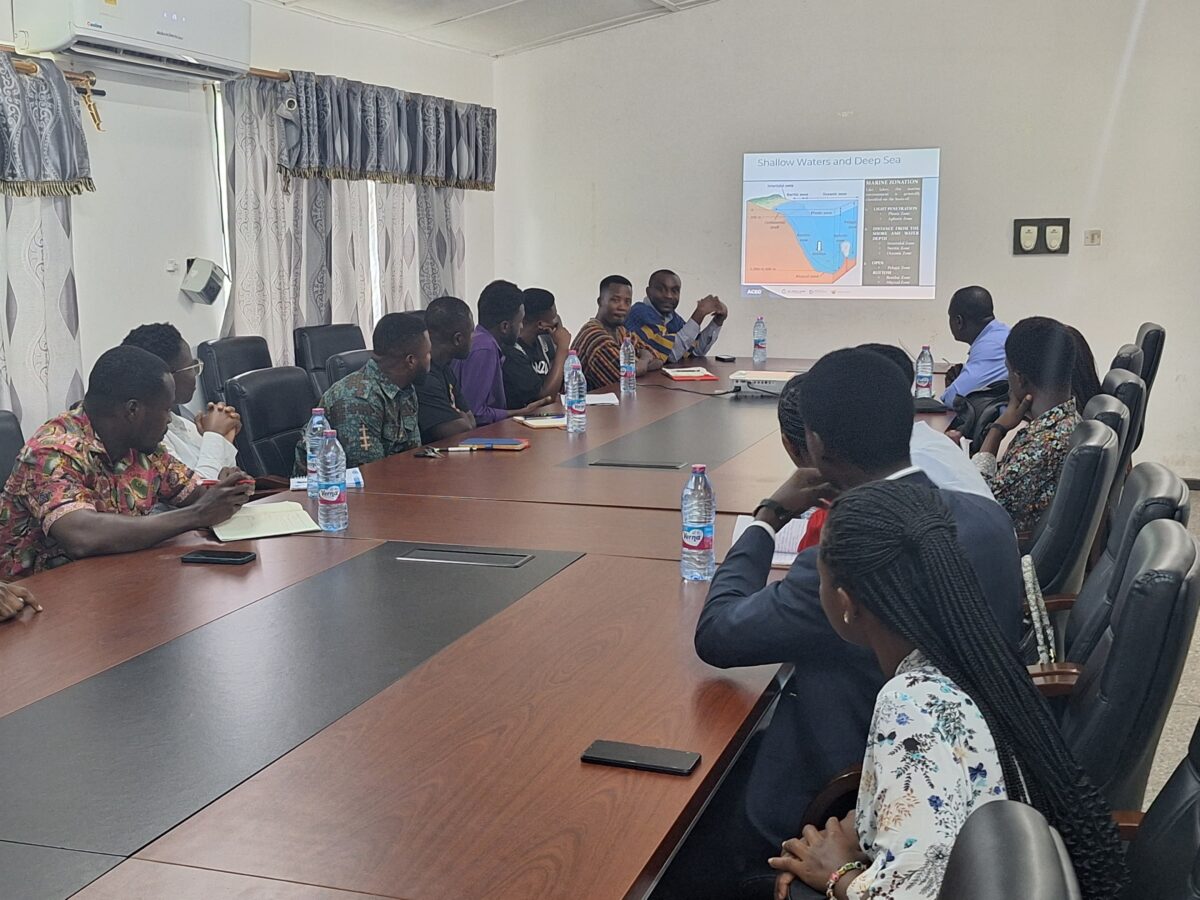
Sustainable Ocean Alliance Ghana (SOA Ghana) is inviting journalists across the nation to apply for a specialized training program focused on reporting deep sea mining and marine resources. Under the theme “Using Journalism to Defend the Deep,” this initiative aims to train journalists to produce data-driven stories that highlight the impacts of deep sea mining and the importance of protecting deep sea resources.

This project is part of a global effort to support and promote the conservation and sustainable use of oceans, seas, and marine resources, aligning with the United Nations Sustainable Development Goal 14 and is supported by Sustainable Ocean Alliance.

Journalists interested in contributing to this crucial mission of safeguarding our deep sea environments through impactful and informative journalism are encouraged to apply.Eligibility:
Applicants are expected to be:
• Ghanaian nationals aged between 18 and 35 years old, and belong to the group of young people who are prepared to play a decisive role in shaping the future of Ghana.
• Student journalists or journalists, young leaders, people who are active in social movements online, and community organizations.
• People or activists who have been directly contributing to conservation programs or climate change activities.
Requirements:
All selected applicants will be MANDATED to attend a virtual training session and submit story pitches which may attract a mini-grant. Funded journalists will be expected to produce at least one report after training program.
Preferable: Applicants should be active on social media and MUST follow our social media handles: Twitter: @soaghanahub or https://twitter.com/soaghanahub and Facebook: https://web.facebook.com/SOAGhana/
Important Dates:
• Deadline for applications:  20th August 2024; 11: 00pm GMT. Applicants will also be selected on rolling basis.
• All selected applicants will be contacted by 30th August, 2024.
• Training will be online and date will be subsequently communicated.

Apply here: https://forms.gle/c1FUGPwz2sMnLuNd8
NB: Female applicants are strongly encouraged! You may call 0543342677 for further information.

Categories
Climate & Ocean Action Home News Ocean Conservation

SOA African hubs join forces in new initiative to tackle deep seabed mining

Sustainable Ocean Alliance (SOA) network of hubs in Africa have joined forces to tackle the evolving threat of deep seabed mining which threatens the health of the ocean and the larger climate system.

Deep seabed mining if allowed will “exploit biodiverse and fragile ecosystems that will result in severe environmental impacts that we cannot fully understand, let alone predict or mitigate,” said team lead Gideon Sarpong.

The hubs in Ghana, Nigeria (Lagos) and Cameroon will hold several regional policy dialogues and deploy a campaign to ensure that decision-making processes around deep-seabed mining by the Africa group and at the International Seabed Authority (ISA) are inclusive, transparent, accountable, adequately account for intergenerational equity and ensure the protection of marine biodiversity.

Gideon Sarpong, who is also the Hub Leader in Ghana stated that, “the knowledge gap on the topic of ocean mining and its potential environmental impact on biodiversity and ecosystems must be adequately communicated to decision makers.”

“The African group representing African states at the International Seabed Authority (ISA) should consider supporting the moratorium on deep-seabed mining, for at least 10 years, in line with the UN Decade of Ocean Science” he added.

Meanwhile, Forbi Perise, SOA Africa Representative and Hub Leader in Cameroon hopes to engage more than 20 University lecturers and professors in two higher educational institutions in the DSBM African Coalition project.

“We plan to involve more than 500 students/youths in our effort in advocating for the protection of the deep blue.  Through multi stakeholder engagement our goal is get more attention towards the protection of the marine ecosystem,” he explained.

Hub Leader in Lagos, Adenike Adeiga will also use this initiative to engage key stakeholders to strengthen regulatory frameworks governing ocean mining and call for the creation of Marine Protected Areas in Nigeria.

The initiative which is expected to last until the end of the year and supported by Sustainable Ocean Alliance will ultimately galvanize stakeholder support to ensure that the youth’s position on deep-seabed moratorium is unambiguously represented by the Africa group at ISA.

By SOA African team

Categories
Climate & Ocean Action Home News SOA Ghana Fellows

Blessing Aglago writes: Together we should account for aquatic life

Fishing remains a major source of livelihood for thousands of people living around the coastal areas in West Africa. Despite this huge economic benefit, the ocean provides protecting these coastal ecosystems has not received the much-needed attention.

Among a number of illegal practices which threaten the livelihood of these fishers and aquatic life is chemical pollution.  Chemical pollution is the usage of harmful contaminated substances that affect health condition of something. Manufactured pollutants of chemicals that threaten the ocean include pesticides, herbicides, fertilizers, detergents, oil, industrial chemicals, and sewage.

Pollutants from the environment have its way to the coastal areas and enters the ocean. Nutrients packed fertilizers, DDT, chemicals for fishing, insecticide’s etc eventually ends in the ocean that triggers and rob the water for oxygen and affects the life of marine organisms.  

DDT is one of the first synthetic insecticides that was developed in the 1940s and past figures have shown that as much as 25% of the worlds DDT production might have ended up in the ocean and a proportion of this has entered the marine food web.

These activities do not only affect fishers but aquatic ecosystem that is normally wipe off by the introduction of too much algae and phytoplankton with devastating consequences.

These together with other toxic waste harms the food chain of aquatic life. Aquatic life suffers when there is loss of fresh water and oxygen. We therefore are mandated as individuals to check the chemicals that we release into the environment to make sure aquatic life is protected.

By Blessing Aglago | SOA Ghana Fellow

css.php